How do you maintain your weight loss motivation beyond the first 5 or 10 pounds?
We've all been there, you make incredible progress in your weight loss program, only to fall "off the wagon" a few days later because you lose that initial weight loss motivation.
It's true, your mental attitude is 90% of the battle in achieving rapid weight loss.
Here are 6 weight loss motivation tips you can use next time you hit the wall in your weight loss program
Weight Loss Motivation Tip 1 Set realistic goals. By planning to lose 10 pounds each week, you are setting yourself up for a letdown.
Weight Loss Motivation Tip 2 Set flexible goals. Understand that you will lose more weight in the first 2-weeks of your weight loss program than you will after.
Weight Loss Motivation Tip 3 Have a support system in place. If you can set goals with a friend or support group, you will have more motivation to succeed.
Weight Loss Motivation Tip 4 Make sure your weight loss program includes exercise. Exercise results in positive chemicals being released in your brain which helps with staying positive and achieving maintaining weight loss motivation.
Weight Loss Motivation Tip 5 Have a strategy to combat stress. Stress is the 1 cause of uncontrollable activity in our lives. Practice meditation as part of your weight loss program.
Weight Loss Motivation Tip 6 Set goals beyond losing weight. Set goals linked with happiness, feeling better, looking better, having more energy - less focus on pounds lost to overall health will give you more motivation.
Check out the 17 minutes HD "Weight Loss Motivational Tips" Video for better weight management
Some people think that the metabolism is a kind of organ, or a body part, that influences digestion.
Actually, the metabolism isn’t any particular body part.
It’s the process by which the body converts food into energy.
Hence, you’ve likely heard of the phrase metabolic process used synonymously with the term metabolism, because they both mean the same thing.
The Medical Myths
This isn’t a complicated medical text (which should be great news to most of you!), and so we don’t need to spend an unnecessary amount of time and space focusing on the layered complexity of the human body and its extraordinary intelligence.
Yet without drilling deeply into medical details -- which are not relevant for our general understanding purposes -- it’s helpful to briefly look at the biological mechanisms behind metabolism.
Metabolism, as mentioned above, is the process of transforming food (e.g. nutrients) into fuel (e.g. energy). The body uses this energy to conduct a vast array of essential functions.
In fact, your ability to read this page - literally - is driven by your metabolism.
If you had no metabolism - that is, if you had no metabolic process that was converting food into energy – then you wouldn’t be able to move.
In fact, long before you realized that you couldn’t move a finger or lift your foot, your internal processes would have stopped; because the basic building blocks of life - circulating blood, transforming oxygen into carbon dioxide, expelling potentially lethal wastes through the kidneys and so on - all of these depend on metabolism.
Keep this in mind the next time you hear someone say that they have a slow metabolism.
While they may struggle with unwanted weight gain due to metabolic factors, they certainly have a functioning metabolism.
If they didn’t, they wouldn’t even be able to speak (because that, too, requires energy that comes from, you guessed it: metabolism!).
It’s also interesting to note that, while we conveniently refer to the metabolic process as if it were a single function, it’s really a catch - all term for countless functions that are taking place inside the body. Every second of every minute of every day of your life - even, of course, when you sleep - numerous chemical conversions are taking place through metabolism, or metabolic functioning.
In a certain light, the metabolism has been referred to as a harmonizing process that manages to achieve two critical bodily functions that, in a sense, seem to be at odds with each other.
Anabolism and Catabolism
The first function is creating tissue and cells. Each moment, our bodies are creating more cells to replace dead or dysfunctional cells.
For example, if you cut your finger, your body (if it’s functioning properly) will begin – without even wasting a moment or asking your permission –the process of creating skin cells to clot the blood and start the healing process. This creation process is indeed a metabolic response, and is called anabolism.
On the other hand, there is the exact opposite activity taking place in other parts of the body. Instead of building cells and tissue through metabolism, the body is breaking down energy so that the body can do what it’s supposed to do.
For example, as you aerobically exercise, your body temperature rises as your heart beat increases and remains with a certain range.
As this happens, your body requires more oxygen; and as such, your breathing increases as you intake more HO. All of this, as you can imagine, requires additional energy.
After all, if your body couldn’t adjust to this enhanced requirement for oxygen (both taking it in and getting rid of it in the form of carbon dioxide), you would collapse!
Presuming, of course, that you aren’t overdoing it, your body will instead begin converting food (e.g. calories) into energy. And this process, as you know, is a metabolic process, and is called catabolism.
So as you can see, the metabolism is a constant process that takes care of two seemingly opposite function: anabolism that uses energy to create cells, and catabolism that breaks down cells to create energy.
Indeed, it’s in this way that the metabolism earns its reputation as a harmonizer. It brings together these apparently conflicting functions, and does so in an optimal way that enables the body to create cells as needed, and break them down, again as needed.
Metabolism and Weight Loss
By now, you already have a sense of how metabolism relates to weight loss (catabolic metabolism, or breaking cells down and transforming them into energy).
To understand this process even more clearly, we can introduce a very important player in the weight loss game - the calorie.
Calories
Calories are simply units of measure. They aren’t actually things in and of themselves; they are labels for other things, just like how an inch really isn’t anything, but it measures the distance between two points.
So what do calories measure?
Easy: they measure energy.
Yup, the evil calorie - the bane of the dieter’s existence - is really just a 3-syllable label for energy.
And it’s important to highlight this, because the body itself, despite its vast intelligence (much of which medical science cannot yet understand, only appreciate in awe) does not really do a very intelligent job of distinguishing good energy from bad.
Actually, to be blunt, the body doesn’t care about where the energy comes from. Let’s explore this a little more, because it’s very important to the overall understanding of how to boost your metabolism, particularly when we look at food choices.
In our choice-laden grocery stores, with dozens of varieties of foods - hundreds, perhaps - there seems to be a fairly clear awareness of what’s good food, and what’s bad or junk food.
For example, we don’t need a book to remind us that, all else being equal, a plum is a good food, whereas a tub of thick and creamy double-fudge ice cream is a bad food.
Not bad tasting, of course; but, really, you won’t find many fit people eating a vat of ice cream a day, for obvious reasons. So what does this have to do with calories and energy?
It’s this: while you and I can evaluate our food choices and say that something (like a plum) is a healthy source of energy, and something else (like a tub of ice cream) is an unhealthy source of energy, the body doesn’t evaluate. Really.
It sounds strange and amazing, but the body really doesn’t care. To the body, energy is energy. It takes whatever it gets, and doesn’t really know that some foods are healthier than others. It’s kind of like a garbage disposal: it takes what you put down it, whether it should go down or not.
So let’s apply this to the body, and to weight gain. When the body receives a calorie - which, as we know, is merely a label for energy - it must do something with that energy.
In other words, putting all other nutrients and minerals aside, if a plum delivers 100 calories to the body, it has to accept those 100 calories. The same goes for 500 calories from a (small) tub of ice cream: those 500 calories have to be dealt with.
Now, the body does two things to that energy: it either metabolizes it via anabolism, or it metabolizes it via catabolism. That is, it will either convert the energy (calories) into cells/tissue, or it will use that energy (calories) to break down cells.
Now the link between calories/energy, metabolism, and weight loss becomes rather clear and direct.
When there is an excess of energy, and the body can’t use this energy to deal with any needs at the time, it will be forced to create cells with that extra energy. It has to.
It doesn’t necessarily want to, but after figuring out that the energy can’t be used to do anything (such as help you exercise or digest some food), it has to turn it into cells through anabolism.
And those extra cells? Yup, you guessed it: added weight!
In a nutshell (and nuts have lots of calories by the way, so watch out and eat them in small portions…), the whole calorie/metabolism/weight gain thing is really just about excess energy.
When there are too many calories in the body – that is, when there’s too much energy from food - then the body transforms those calories into stuff.
And that stuff, most of the time, is fat. Sometimes, of course, those extra calories are transformed into muscle; and this is usually a good thing for those watching their weight or trying to maintain an optimal body fat ratio.
In fact, because muscles require calories to maintain, people with strong muscle tone burn calories without actually doing anything; their metabolism burns it for them.
This is the primary reason why exercising and building lean muscle is part of an overall program to boost your metabolism; because the more lean muscle you have, the more places excess calories can go before they’re turned into fat.
I’ll preface this section by saying that it will help if you have an open mind and accept that some of these facts are a slap in the face to politically correct nutrition in this day and age where fats are admonished by many well intentioned, but mislead health professionals, doctors, the mass media, etc.
To start, eating an adequate supply of healthy dietary fats is vitally important to your overall health. Fats are one of the main components in all of the cell membranes throughout your entire body. If you eat enough healthy natural fats, your cellular processes will proceed normally. On the other hand, if you eat manmade, heavily processed, chemically altered fats (damaged fats) that are found in most processed foods, your cellular function will be impaired as these damaged fats become part of your cell membranes, the body will have to work harder to operate correctly, and degenerative diseases can develop. In addition, healthy dietary fats are essential for optimal hormone production and balance within the body and are therefore essential for the muscle building and fat burning processes. Did you know that eating a diet that is too low in fat will reduce your testosterone levels? You know what the results of that are: less muscle and more fat on your frame. Females, don’t be afraid…your testosterone is not going to go through the roof by eating more fat. It helps to keep everything in balance for both men and women, as long as you eat the right fats (more on the right fats in a minute). Other important functions that dietary fats play in a healthy body are aiding vitamin and mineral utilization, enzyme regulation, energy, etc.
I cringe every time I hear so called "health experts" recommend restriction of dietary fat, claiming that a low-fat diet is the key to good health, weight loss, and prevention of degenerative diseases. Restriction of any one macronutrient (protein, carbs, or fat) in your diet works against what your body needs and can only lead to problems. All three basic macronutrients serve important functions for a lean, healthy, and disease-free body. As Dr. Mary Enig, Ph.D, and one of the leading fats and lipids researchers in the world notes in several of her books and articles, there is very little true scientific evidence supporting the assertion that a high fat diet is bad for us. For example, if these so called "health experts" that admonish fat are correct, and a low-fat diet is the solution to good health, then why did traditional Pacific Islanders who typically obtained 2/3 to 3/4 of their total daily calories from fat (mostly from coconut fat), remain virtually free from heart disease, obesity, and other modern degenerative diseases (that is, until Western dietary influences invaded)? Also, why did traditional Eskimo populations, consuming up to 75% of their total caloric intake from fat (mostly from whale blubber, seal fat, organ meats, and cold water fish), display superior health and longevity without heart disease or obesity? Why did members of the Masai tribe in Africa remain free from degenerative diseases and maintain low body fat percentages on diets consisting of large quantities of raw whole milk, blood, and meat? What about the Samburu tribe of Africa, which eats an average of 5 times the quantity of dietary fat (mostly from raw whole milk and meat) as overweight, disease-ridden Americans,yet Samburu members are lean, healthy, and free of degenerative diseases? What about traditional Mediterranean diets, which are known to be very high in fat (sometimes up to 70% fat), and are also well known to be very healthy?
These examples of high fat diets and the associated excellent health of traditional populations around the world go on and on, yet it seems that many doctors, nutritionists, and government agencies still ignore these facts and continue to promote a diet that restricts fat intake. It’s not that their intentions are bad, it’s just that everyone has been brainwashed by poor science over the years, when in fact, there really is no hard evidence that natural unprocessed fats are bad for us.
Well, the problem that has led to this misconception is that the good fats (the natural, unprocessed, health promoting fats) have gotten mistakenly lumped together in nutritional advice with the deadly processed fats and oils that make up a large percentage of almost all processed food that is sold at your local grocery store, restaurant, deli, fast food joint, etc. These deadly processed fats are literally everywhere and almost impossible to avoid unless you know what to look for and make smart choices in what you feed your body with. Take note that I’m not recommending following a super high fat diet. Active individuals that exercise on a regular basis certainly also need adequate supplies of healthy carbohydrates for energy and muscle glycogen replenishment, as well as good sources of protein for muscle repair. The above examples of the high fat diets of traditional populations and their corresponding excellent health were simply to prove the point that you don’t need to be afraid of dietary fats as long as you make healthy natural choices and stay within your daily caloric range to maintain or lose weight (depending on your goals). Following is a list of some of the healthiest fatty foods (some will surprise you!) as well as some of the deadliest fatty foods to try to avoid at all costs:
The Healthy Fatty Food Choices:
• Coconut fat (and other tropical oils): Coconut fat is approximately 92% saturated fat, yet surprisingly to most people, is considered a very healthy natural fat. The health benefits of coconut fat lie in its composition of approximately 65% medium chain triglycerides (MCTs). Specifically, about 50% of coconut fat is a MCT called lauric acid, which has very potent antimicrobial properties helping to enhance the immune system. Also, MCTs are more easily utilized for immediate energy instead of being stored as body fat. Coconut oil is also an excellent cooking oil for stir-frying, baking, etc. since saturated fats are much more stable and do not oxidize like polyunsaturated oils when exposed to heat and light, which creates damaging freem radicals. The best sources of healthy coconut fat are organic coconut milk, virgin coconut oil, or fresh coconut. Palm oil (nonhydrogenated) is another healthy tropical oil that is highly saturated. Keep in mind that most mainstream health and fitness professionals have been brainwashed to believe that tropical oils are unhealthy. So you will see other health professionals all over the place writing statements such as “avoid saturated fats at all costs” and similar. Come on now. Think about it. A large portion of our natural food supply on this planet is composed of saturated fats, substances that we humans are meant to eat and thrive on. It is only when we humans take natural food and put it through all kinds of chemical and physical processing (that it was never meant to undergo naturally), that it becomes unhealthy. If you’re interested in a detailed article regarding why saturated fats can actually be good for you, and how you’ve been brainwashed with decades worth of propaganda against saturated fats.
• Extra virgin olive oil: Olive oil is approximately 71% monounsaturated, 16% saturated, and 13% polyunsaturated. Choose “extra virgin” olive oil, which comes from the first pressing of the olives and has higher quantities of antioxidants. Unlike most other oils on supermarket shelves, extra virgin olive oil is not extracted with the use of harmful industrial solvents and is one of your healthiest choices for liquid oils. Try making your own salad dressing by mixing a small amount of olive oil with vinegar. This is healthier than most store bought salad dressings, which are usually made with highly processed and refined (chemically damaged) soybean oil extracted with industrial solvents.
• Dark, bittersweet chocolate (>70% cocoa content): The cocoa bean is a very concentrated source of antioxidants and responsible for part of the health benefit of dark chocolate. The fat portion of the cocoa bean (cocoa butter) is a healthy natural fat, composed of approximately 59% saturated fat (mostly healthy stearic acid), 38% monounsaturated fat, and 3% polyunsaturated fat. I’ll limit the description of healthy chocolate to ONLY dark bittersweet chocolate with >70% cocoa content. Most milk chocolates are only about 30% cocoa, and even most dark chocolates are only about 50% cocoa, leaving the remainder of those products composed of high amounts of sugar, milk fat, corn sweeteners, etc. Look for a quality dark chocolate that lists its cocoa content between 70%-80%. A dark chocolate with cocoa content in this range will contain mostly cocoa and very little sugar, but still have a mildly sweet taste with a smooth and creamy texture. Keep in mind that although dark chocolate can be a healthy treat, it is still calorie dense, so keeping it to just a square or two is a good idea.
• Avocados or guacamole: The fat in avocados (depending on where they’re grown) is approximately 60% monounsaturated, 25% saturated, and 15% polyunsaturated. Avocados are a very healthy natural food that provides many nutrients, fiber, and healthful fats, while adding a rich flavor to any meal. Try sliced avocado on sandwiches or in salads or use guacamole in wraps, sandwiches, or quesadillas.
• High fat fish such as wild salmon, sardines, mackerel, herring, trout, etc.: Just about any fish or seafood are good sources of natural omega-3 polyunsaturated fats, but the higher fat fish listed above are the best sources of omega-3’s. Due to the radical switch to a higher proportion of omega-6 polyunsaturated fats like soybean oil, corn oil, safflower oil, etc. in our food supply during the middle of the 20th century, the average western diet is currently way too high in omega-6’s compared to omega-3’s, which wreaks havoc in your body. This is where good omega-3 sources like high fat fish, walnuts, and flax seeds can help bring you back to a better ratio of omega-6/omega-3.
• Nuts (any and all - walnuts, almonds, peanuts, cashews, macadamias, etc.): Nuts are great sources of healthy unprocessed fats as well as minerals and other trace nutrients. Macadamias, almonds, and cashews are great sources of monounsaturated fats, while walnuts are a good source of unprocessed polyunsaturated fats (including omega-3’s). Try to avoid nuts that are cooked in oil. Instead, choose raw or dry roasted nuts.
• Seeds (sunflower seeds, pumpkin seeds, sesame seeds, flax seeds, etc.): All of these seeds are great sources of natural unprocessed healthy fats. In particular, flax seeds have received a lot of attention lately due to their high omega-3 content. However, keep in mind that omega-3 polyunsaturated fats are highly reactive to heat and light, and prone to oxidation and free radical production, so freshly ground flax seed is the only way to go. Instead of using the store bought ground flax seed, you can buy whole flax seed and use one of those miniature coffee grinders to grind your own flax seed. Try grinding fresh flax seed into your yogurt, cereal, or even your salad. If you’re using flax oil, make sure it’s a cold-pressed oil in a light-proof refrigerated container, and use it up within a few weeks to prevent it from going rancid. NEVER cook with flax oil!
• The fat in organically raised, free-range animals: This is one area where most people have been misinformed by the mass media. Animal fat is inherently good for us, that is, if it came from a healthy animal. Human beings have thrived on animal fats for thousands of years. The problem lies in the fact that most mass produced animal products today do NOT come from healthy animals. They come from animals given loads of antibiotics and fattened up with hormones and fed un-natural feed. The solution is to choose organically raised, free-range meats, eggs, and dairy. At this time, the price is still a little higher, but it is worth it, and as demand grows, the prices will come down.
The Deadly Fatty Foods:
• Hydrogenated oils (source of artificial trans fats): These are industrially produced chemically altered oils subjected to extremely high pressure and temperature, with added industrial solvents such as hexane for extraction, and have a metal catalyst added to promote the artificial hydrogenation, followed by bleaching and deodorizing agents…..and somehow the FDA still allows this crap to pass as food. These oils aren’t even worthy of your lawnmower, much less your body! They’ve been linked to obesity, heart disease, diabetes, cancer, and more. Even small quantities of as little as 1 to 2 grams of trans fats/day have been shown in studies to be dangerous. For comparison, if you eat a normal order of fries at a fast food joint or any restaurant, you can easily get 5 grams or more of trans fats. Now if as little as 1 gram daily can be dangerous to your health, imagine what you’re doing to yourself with 5 grams…and that was only the fries! What about all of the cookies, cakes, chicken fingers, donuts, and other stuff people eat on a regular basis? Some people are getting more than 20-30 grams of trans fats every day and don’t even realize that they’re slowly killing themselves with this crap. If you care about your health, check the ingredients of everything you buy, and if you see partially hydrogenated oils of any kind, margarine, or shortening, protect yourself and your family by choosing something else. If I were asked to pick one thing that is most harmful to our health that is used in our food supply, it would be the artificial trans fats by a landslide. They are simply THAT dangerous that they must be avoided. In my opinion, artificial trans fats are right up there with cigarettes in terms of negative health effects. Because of the growing awareness and concern over the negative health effects of trans fats, the FDA mandated that all food manufacturers show the quantity of trans fat on all labels starting back in January 2006. However, they can still claim that their product is “trans fat free” or “no trans fat” if it has 0.5 grams of trans fat or less per serving according to regulations in the US. So all they have to do is reduce the serving size portion small enough so that it has 0.5 grams of trans, and they can claim “no trans fat”. Don’t trust them! You must inspect the ingredients for yourself to know if it’s free of hydrogenated oils, margarine, or shortening.
• Refined oils: Even if the oils are not hydrogenated, most oils on your supermarket shelves are refined, even most of the so called “healthy” canola oils. Most refined oils still undergo the high temperature, high\ pressure, solvent extraction, bleaching, and deodorizing processes. Anything labeled vegetable oil, soybean oil, corn oil, cottonseed oil, safflower oil, and even many canola oils have been damaged by this refining process. This damages the natural structure of the fats, destroys natural antioxidants, creates free radicals, and produces a generally unhealthy product. Take note that the explosion of heart disease in the middle of the 20th century coincides quite nicely with the rapid increase in the use of hydrogenated and refined oils in the food supply at that time, while the consumption of saturated fats has actually decreased between the early 1900’s and present time. Think about that. I think you’ll begin to see the real culprit for heart disease…hydrogenated and refined oils, not the natural healthy saturated fats that have received an undeserved bad rap.
• Anything deep fried: including tortilla chips, potato chips, French fries, donuts, fried chicken, chicken nuggets, etc. It’s all fried in hydrogenated or refined oils…most of the time using cheap oils like cottonseed or soybean oil. All of this crap doesn’t even pass as real food in my opinion! If you can actually find something that’s deep fried in a non-hydrogenated tropical oil like palm or coconut (which are stable oils under heat), then that might be the only deep fried food that’s acceptable. It’s unlikely you’ll find that these days though.
• Homogenized milk fat: Milk fat is a very healthy fat in its natural raw state. Traditional populations around the world thrived in perfect health while consuming huge quantities of raw, non-pasteurized, non-homogenized, full fat dairy products. Once again, food processing ruins a good thing by pasteurizing and homogenizing milk fat, rendering it potentially dangerous inside the human body. Unfortunately, you will find it almost impossible to find raw milk in the US unless you personally know a farmer for more info on the benefits of raw milk and to find out if it’s available near you. As an alternative, cultured dairy products like yogurt have at least had beneficial microorganisms added back to them making them better for you. Just watch out for the yogurts that are loaded with refined sugar and high fructose corn syrup. Instead, find one that’s just lightly sweetened with honey or real maple syrup, or just use plain yogurt and add your own fruit to sweeten. Realistically, since you probably won’t find raw milk, sticking to skim milk is probably the best option. Just keep in mind that a large percentage of the population has difficulty digesting (or has allergies to) cow’s milk either due to the lactose for some people, and the proteins for others. If you use butter for cooking, cultured organic butter is the best option.
I'm going to talk about something in this section that most of you have probably never heard...that there is a distinction between good trans fats and bad trans fats. There is some evidence that the good trans can help you with fat loss, muscle building, and even cancer prevention, while the bad trans fats have been shown to cause heart disease, cancer, diabetes, and the general blubbering of your body.
I'm sure most of you have heard all of the ruckus in the news over the last few years about just how bad man-made trans fats are for your health. If you've been a reader of my newsletter and my "Truth about Six Pack Abs" e-book program, then you definitely know my opinion that these substances are some of the most evil food additives of all and are found in the vast majority of all processed foods and fast foods on the market today. In my opinion, man-made trans fats are right up there with smoking in terms of their degree of danger to your health. After all, they are one of THE MAIN factors for the explosion of heart disease since approximately the 1950's.
As you may have heard recently, the FDA has mandated that food manufacturers include the grams of trans fat on all nutrition labels starting back at the beginning of 2006. This means that as inventory is replaced in the grocery stores, you should start to see grams of trans listed on all packages from now on, providing you with an easier way to avoid them.
With all of the talk about trans fats in the news these days, I wanted to clarify some things, particularly regarding bad trans fats vs. good trans fats. If you've never heard of good trans fats before, let me explain in a bit.
The Bad Trans Fats
First, the bad trans fats I'm referring to are the man-made kind. These are represented by any artificially hydrogenated oils. The main culprits are margarine, shortening, and partially hydrogenated oils that are in most processed foods, junk foods, and deep fried foods. These hydrogenated oils are highly processed using harsh chemical solvents like hexane (a component of gasoline), high heat, pressure, have a metal catalyst added, and are then deodorized and bleached. A small % of the solvent is allowed to remain in the finished oil. This has now become more of an industrial oil rather than a food oil, but somehow the FDA still allows the food manufacturers to put this crap in our food at huge quantities, even with the well documented health dangers.
These hydrogenated oils cause inflammation inside of your body, which signals the deposition of cholesterol as a healing agent on artery walls. Hence, hydrogenated oil = inflammation = clogged arteries. You can see why heart disease has exploded since this crap has been loaded into our food supply over the last 5 to 6 decades. As time goes on, and science continues to unveil how deadly these oils really are, I feel that eventually they will be illegal and banned from use. The labeling laws were just the first step. In fact, certain countries around the world have already banned the use of hydrogenated oils in food manufacturing or at least set dates to phase them out for good.
However, keep in mind that as companies are starting to phase out the use of hydrogenated oils in processed foods, they are replacing them, in most instances, with highly refined cheap vegetable oils. These are still heavily processed oils using high heat, solvents, deodorizers, and bleaching agents. Even refined oils are known to produce inflammation in your body...a far cry from natural sources of healthy fats. Once again, for the best results, your best bet is avoiding highly processed foods altogether and choose whole, natural, minimally processed foods. Your body will thank you!
The Good Trans Fats
Ok, after having trash talked the man-made trans fats, let me clearly state that there IS such a thing as healthy natural trans fats. Natural trans fats are created in the stomachs of ruminant animals like cattle, sheep, goats, etc. and make their way into the fat stores of the animals. Therefore, the milk fat and the fat within the meat of these animals can provide natural healthy trans fats. Natural trans fats in your diet have been thought to have some potential benefit to aid in both muscle building and fat loss efforts. However, keep in mind that the quantity of healthy trans fats in the meat and dairy of ruminant animals is greatly reduced by massproduction methods of farming and their grain and soy heavy diets. Meat and dairy from grass-fed, free-range animals always have much higher quantities of these beneficial fats.
One such natural trans fat that you may have heard of is called conjugated linoleic acid (CLA) and has been marketed by many weight loss companies. Keep in mind that these man-made CLA pills you see in the stores may not be the best way to get CLA in your diet. They are artificially made from plant oils, instead of the natural process that happens in ruminant animals. Once again, man-made just doesn't compare to the benefits of natural sources.
Now that all of your labels should be listing grams of trans fat, keep in mind that if a quantity of trans fat is listed on a meat or dairy product, it is most likely the natural good trans fats that we've discussed here. Otherwise, if the quantity of trans is listed on any processed foods, it is most likely the dangerous unhealthy crap from artificially hydrogenated oils, so stay away! I hope you've enjoyed this interesting look at good trans fat vs. bad trans fat and use the info to arm yourself with more healthful food choices for a better body.
As you may have already discovered, the squat is at the top of the heap (along with deadlifts) as one of the most effective overall exercises for stimulating body composition changes (muscle gain and fat loss). This is because exercises like squats and deadlifts use more muscle groups under a heavy load than almost any other weight bearing exercises known to man. Hence, these exercises stimulate the greatest hormonal responses (growth hormone, testosterone, etc.) of all exercises. In fact, university research studies have even proven that inclusion of squats into a training program increases upper body development, in addition to lower body development, even though upper body specific joint movements are not performed during the squat. Whether your goal is gaining muscle mass, losing body fat, building a strong and functional body, or improving athletic performance, the basic squat and deadlift (and their variations) are the ultimate solution. If you don’t believe me that squats and deadlifts are THE basis for a lean and powerful body, then go ahead and join all of the other overweight people pumping away mindlessly for hours on boring cardio equipment. You won’t find long boring cardio in any of my programs!
Squats can be done simply with your bodyweight or with any free weighted objects for extra resistance such as barbells, dumbbells, kettle bells , sandbags, etc. Squats should only be done with free weights – NEVER with a Smith machine or any other squat machines! Machines do not allow your body to follow natural, bio mechanically-correct movement paths. You also perform less work because the machine stabilizes the weight for you. Therefore, you get weaker results!
The type of squat that people are most familiar with is the barbell back squat where the bar is resting on the trapezius muscles of the upper back. Many professional strength coaches believe that front squats (where the bar rests on the shoulders in front of the head) and overhead squats (where the bar is locked out in a snatch grip overhead throughout the squat) are more functional to athletic performance than back squats with less risk of lower back injury. I feel that a combination of all three (not necessarily during the same phase of your workouts) will yield the best results for overall muscular development, body fat loss, and athletic performance. Front squats are moderately more difficult than back squats, while overhead squats are considerably more difficult than either back squats or front squats. I’ll cover overhead squats in a future article. If you are only accustomed to performing back squats, it will take you a few sessions to become comfortable with front squats, so start out light. After a couple sessions of practice, you will start to feel the groove and be able to increase the poundage. Let’s take a closer look at front squats in particular.
To perform front squats :-
The front squat recruits the abdominals to a much higher degree for stability due to the more upright position compared with back squats. It is mostly a lower body exercise, but is great for functionally incorporating core strength and stability into the squatting movement. It can also be slightly difficult to learn how to properly rest the bar on your shoulders. There are two ways to rest the bar on the front of the shoulders. In the first method, you step under the bar and cross your forearms into an “X” position while resting the bar on the dimple that is created by the shoulder muscle near the bone, keeping your elbows up high so that your arms are parallel to the ground. You then hold the bar in place by pressing the thumb side of your fists against the bar for support. Alternatively, you can hold the bar by placing your palms face up and the bar resting on your fingers against your shoulders. For both methods, your elbows must stay up high to prevent the weight from falling. Your upper arms should stay parallel to the ground throughout the squat. Find out which bar support method is more comfortable for you. Then, initiate the squat from your hips by sitting back and down, keeping the weight on your heels as opposed to the balls of your feet. Squat down to a position where your thighs are approximately parallel to the ground, then press back up to the starting position. Keeping your weight more towards your heels is the key factor in squatting to protect your knees from injury and develop strong injury-resistant knee joints. Keep in mind - squats done correctly actually strengthen the knees; squats done incorrectly can damage the knees. Practice first with an un-weighted bar or a relatively light weight to learn the movement. Most people are surprised how hard this exercise works your abs once you learn the correct form. This is due to the more upright posture compared with back squats.
In the last chapter, I spoke about the fact that you must alter your training variables that make up your workouts if you want to continuously get good results, whether it is losing weight, building muscle, or toning up.
While changing your training variables is an integral part of the success of your training program, your workouts shouldn’t be drastically different every single time. If you are all over the place on each workout and never try to repeat and improve on specific exercises for specific set and rep schemes with specific rest intervals, then your body has no basis to improve on its current condition. The best way to structure your workouts to get the best results is to be consistent and try to continually improve on a specific training method for a specific time period. A time period of 4-8 weeks usually works best as your body will adapt to the specific training method and progress will slow after this amount of time.
At this point, it is time to change around some of your training variables as I described in the “exercise variables” article, and then stay consistent with your new training program for another 4-8 weeks. To refresh, some of these variables are the numbers of sets and reps of exercises, the order of exercises (sequence), exercise grouping (super-setting, circuit training, tri-sets, etc.), exercise type (multijoint or single joint, free-weight or machine based), the number of exercises per workout, the amount of resistance, the time under tension, the base of stability (standing, seated, on stability ball, one-legged, etc.), the volume of work (sets x reps x distance moved), rest periods between sets, repetition speed, range of motion, exercise angle (inclined, flat, declined, bent over, upright, etc), training duration per workout, training frequency per week, etc.
For example, let’s say you are training with a program where you are doing 10 sets of 3 reps for 6 different exercises grouped together in pairs (done as supersets) with 30 seconds rest between each superset and no rest between the 2 exercises
within the superset. If you are smart, I’m sure you are tracking your progress with a notepad (weights used, sets, and reps) to see how you are progressing over time. Let’s say that after about 6 weeks, you find that you are no longer improving with that program. Well, now it is time to change up your variables, and start a new program.
This time you might choose a classic 5 sets of 5 reps routine, but you group your exercises in tri-sets (three exercises performed back to back to back, and then repeated for the number of sets). This time you decide to perform the exercises in the tri-set with no rest between them, and then recover for 2 minutes in between each tri-set to fully recoup your strength levels.
Everyone will inadvertently hit a frustrating plateau in their training at one time or another. You’re cruising along for a while, gaining strength, losing fat, looking better, and then all of the sudden it hits. Suddenly, you find yourself even weaker than before on your lifts, or you find that you’ve gained back a couple of pounds. It happens to everyone. Most of the time, these plateaus occur because people rarely change their training variables over time. Many people stick to the same types of exercises for the same basic sets and reps and rest periods with the same boring cardio routine. Well, I hope to open your mind and bring some creativity to your workouts with this section!
There are many ways that you can strategically modify your training variables to assure that you maximize your fat loss and/or muscle building response to exercise. Most people only think about changing their sets and reps performed, if they even think about changing their routine at all. However, other variables that can dramatically affect your results are changing the order of exercises (sequence), exercise grouping (super-setting, circuit training, tri-sets, etc.), exercise type (multi-joint or single joint, free-weight or machine based), the number of exercises per workout, the amount of resistance, the time under tension, the base of stability (standing, seated, on stability ball, one-legged, etc.), the volume of work (sets x reps x distance moved), rest periods between sets, repetition speed, nrange of motion, exercise angle (inclined, flat, declined, bent over, upright, etc), training duration per workout, and training frequency per week. Sounds like a lot of different training aspects to consider in order to achieve the best results from your workouts, doesn’t it? Well, that’s where a knowledgeable personal trainer can make sense of all of this for you to make sure that your training doesn’t get stale. Below are a few examples to get your mind working to come up with more creative and result producing workouts.
Most people stick to workouts where they do something along the lines of 3 sets of 10-12 reps per exercise, with 2-3 minutes rest between sets. Boorrring ! Here are a few examples of different methods to spice up your routine. # Try 10 sets of 3, with only 20 seconds rest between sets.
# Try using a fairly heavy weight and complete 6 sets of 6 reps, doing a 3 minute treadmill sprint between each weight lifting set.
# Try using a near maximum weight and do 10 sets of 1 rep, with only 30 seconds rest between sets.
# Try using a lighter than normal weight and do 1 set of 50 reps for each exercise
# Try a workout based on only one full body exercise, such as barbell clean & presses or dumbbell squat & presses, and do nothing but that exercise for an intense 20 minutes.
# Try a workout based on all bodyweight exercises such as pushups, pull-ups, chin-ups, dips, bodyweight squats, lunges, up and down stairs, etc.
# Try a circuit of 12 different exercises covering the entire body without any rest between exercises.
# Try that same 12 exercise circuit on your subsequent workout, but do the entire circuit in the reverse order.
# Try your usual exercises at a faster repetition speed on one workout andthen at a super-slow speed on your next workout.
# Try completing six 30 minute workouts one week, followed by three 1-hr workouts the next week. This will keep your body guessing.
# Try doing drop sets of all of your exercises, where you drop the weight between each set and keep doing repetitions without any rest until complete muscular fatigue (usually about 5-6 sets in a row).
There are many more ways to continue to change your training variables. This was just a taste of your possibilities. Be creative and get results!
Working as a fitness professional, there is one type of question I get all the time that shows that many people are missing the big picture regarding the benefits of strength training. This popular question usually goes something like this:
What exercise can I do to isolate my _______ (insert your muscle of choice – abs, quads, biceps, triceps, etc)?
It doesn’t matter which muscle someone is asking about, they always seem to be asking how to ‘isolate’ it. My first response to this question is always – “Why in the world would you want to isolate it?”
The first thing I try to teach my clients is that the body does not work well in muscle isolation. Rather, it works better in movements along a kinetic chain; that is, large portions of the body assist other portions of the body in completing a complex movement. In fact, there really is no such thing as true muscle isolation. There is almost always a nearby muscle group that will assist in some way with whatever movement you are doing. However, this article compares attempting to ‘isolate’ body parts via single-joint exercises to the much more effective strategy of performing multi-joint complex movements.
When you attempt to ‘isolate’ muscles by performing single-joint exercises, you are actually creating a body that is non-functional and will be more prone to injury. Essentially, you are creating a body that is a compilation of body parts, instead of a powerful, functional unit that works together.
Now if you really want to end up hobbling around in a body bandaged up with joint problems, tendonitis, and excess body fat, then by all means, continue trying to ‘isolate’ body parts. On the other hand, if you would rather have a lean, muscular, injury-free, functional body that works as a complete powerful unit to perform complex movements (in athletics or even everyday tasks), then you need to shift
your focus away from muscle isolation. Believe me, focusing on how well your body functions will give you the side effect of a body that looks even better than it would have if you focused on muscle isolation. For example, take a look at the physiques of any NFL running backs, wide receivers, or even world class sprinters. Trust me when I say that these guys pretty much NEVER train for muscle isolation (their strength coaches wouldn’t be crazy enough to let them), yet they are absolutely ripped to shreds!
Another benefit to moving away from the ‘muscle isolation’ mindset to a more ‘complex movement’ mindset is that you will find it much easier to lose body fat. The reason is that by focusing more on multi-joint complex movements as opposed to single-joint muscle isolation, you not only burn a lot more calories during each workout, but you also increase your metabolic rate, and stimulate production of more fat burning and muscle building hormones like growth hormone and testosterone.
Let’s look at an example. The machine leg extension is a single joint exercise that works mainly the quadriceps, can potentially cause knee joint instability in the long run, and doesn’t even burn that many calories. On the other hand, exercises like squats, lunges, step-ups, and deadlifts are all multi-joint complex movements that work hundreds of muscles in the body (including the quadriceps) as a functional unit, create more stable and strong joints in the long run (when done properly), and also burn massive quantities of calories compared to the single-joint exercises.
Building muscle mass is much easier to do when you are armed with the correct information. With the correct information, you'll build muscle mass faster than you thought possible. If you're frustrated with your muscle gain or fat loss goals, I sympathize with you completely, and understand exactly what you are going through. I worked out for years before finally figuring out the correct ways to go about building muscles and losing fat. I finally figured out that the routines and weight lifting tips touted by professional bodybuilders and the muscle magazines just aren't going to work for most people. But take heart, you can start building muscle with effective weight training routines and nutrition programs. Following are a couple of weight lifting tips that I've found to be extremely effective in building muscle and adding strength as quickly as possible. Putting together a program that incorporates the following weightlifting tips will point you in the right direction and get you making gains you hadn't thought were possible.
Building Muscle Tip 1 - An Intense Twist
Arthur Jones, inventor of Nautilus, pioneered the concept of training with 100% intensity, ie, training to failure. And this is an extremely important part of your routine if you are interested in building muscles as quickly as possible. However, as others caught on toe Arthur's effective training ideas and the training to failure concept became more widespread, an important piece of advice by Arthur was forgotten. Arthur suggested that people go beyond failure. And I'm not talking about some of the more popular high intensity techniques available today such as rest-pause, forced reps, drop sets, etc. I'm talking about a very specific way of training to failure that is very effective for building muscle mass. Arthur Jones suggested that once you could no longer complete another repetition, you should continue pushing or pulling on the weight for approximately another 20 seconds. Obviously, on certain exercises like squats or bench presses, you either need to work in a power rack with safety pins or have a very good spotter. Let's use the bench press as an example of how to use this bodybuilding technique for building muscles. Most people, when they start a rep and get stuck near the bottom, they drop the weight against the safety pins or have their spotter help rack it. Instead, you should continue pushing against that immovable weight for a good twenty seconds. On barbell curls, you would most likely come to a grinding halt about two or three inches into the rep, when your arms are slightly bent. You know you won't make the rep but you continue to pull on the bar for as long as you can before finishing the set.
Muscle Building Tip 2 - Squat, Squat, Squat
You have to fall in love with the squat. It truly is the king of all muscle building exercises, bar none. While some people can build muscle mass on almost any training routine or diet, most of us can't. So put as many factors in your favor as you can control and one of the biggest is work hard on an effective squat program. Hard work on the squat is the single most important thing you can do to ensure your bodybuilding success. Forget about the latest greatest high tech routine or the newest supplement fad. The key component to any program you do is hard work. Building muscle isn't easy. But it can be made easier. Hard work will take you much further than your choice of exercises, sets or reps. But if you get the other components of your training program put together correctly and then add hard work and dedication, you'll be absolutely amazed at the progress you can make. You'll be building muscle so fast, you'll go from a before to an after before you know it. You need to use all the weight you can handle and then add some more. Since the squat is the toughest weight lifting exercise you can do physically, it's also the toughest mentally. Your mind gives in on the squat well before your body does. If you want to gain lots of muscle, you need to put an end to that. Everything you have has to go into your squatting program. The key to the success of rapid weight gain by squatting is the amount of work you put into it. After your warm ups, load the bar to a weight you normally do 10 reps with. Now, do 20 reps. No, I'm not kidding. Like I said before, the squat is the most mental exercise there is. I've never seen anyone, when properly prepared mentally, fail to get 20 reps with their 10 rep weight. These bodybuilding tips are very effective tips for building muscle and getting stronger. Add them to your weight training program and watch your muscle mass increase. Keep in mind that weightlifting workouts like this are the best way for effectively building muscle mass fast but it's also the best way to lose fat, completely change the shape of your body, and keep the fat off. Weight lifting is much more effective for fat loss than aerobics or dieting alone.

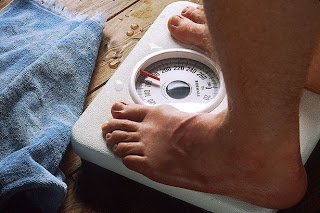
 Weight Loss Motivation Tip 3
 Weight Loss Motivation Tip 3


